
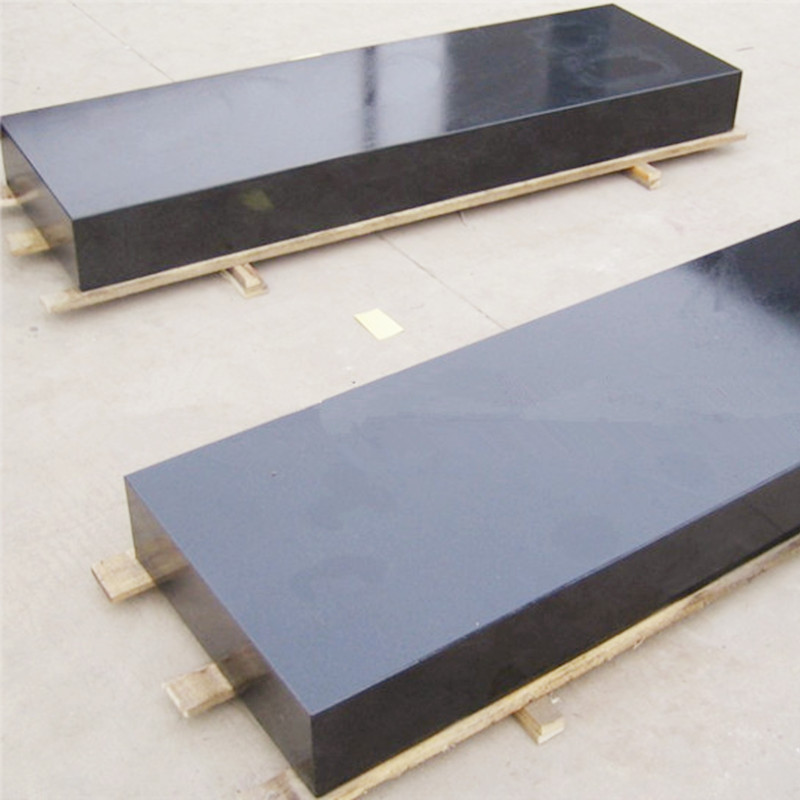
frosted glass office partitions
Understanding the 8% Butterfly Valve Function and Importance in Fluid Control Butterfly valves are essential components in various industrial applications, servicing a multitude of sectors, including water treatment, chemical processing, and HVAC systems. Among the various designs and specifications of butterfly valves, the term 8% butterfly valve often refers to a specific torque requirement or capacity in operational functionality. Understanding the intricacies of such valves can significantly enhance efficiency and reliability in fluid control systems. What is a Butterfly Valve? A butterfly valve is a quarter-turn valve that uses a rotating disc to control the flow of fluid. The disc is mounted on a shaft, and when the valve is turned 90 degrees, the disc either opens or closes the flow path. This mechanism allows for quick operation and makes butterfly valves an ideal choice in applications where space is limited and efficiency is crucial. The Significance of the 8% Capacity The term 8% butterfly valve pertains to a design specification that indicates the valve’s ability to handle certain flow rates or pressures effectively. This percentage often relates to the percentage of the maximum flow capacity that can be controlled or regulated by the valve without incurring excessive cavitation or loss of pressure. For instance, if a valve is rated for a maximum flow capacity and is optimized for 8% control performance, it means that it can manage flow rates that are 8% of its full capacity under specific conditions. The 8% butterfly valve is particularly useful in applications where precise control of large volumes is necessary. Industries that require regulation of fluids in variable conditions, such as power plants, food processing units, and oil and gas operations, benefit from such valves. The proportionate arrangement enhances performance while ensuring the system operates smoothly within established parameters. Key Benefits of 8% Butterfly Valves 8 butterfly valve 1. Efficient Flow Control One of the primary benefits of an 8% butterfly valve is its capability to control large volumes of fluid efficiently. The quick, quarter-turn operation reduces the time required to open or close the valve, simultaneously optimizing flow rates. 2. Compact Design Butterfly valves are known for their compact construction, making them easier to install and maintain compared to larger valve types. This compactness is a vast advantage in systems with limited space. 3. Durability and Reliability The design of the 8% butterfly valve ensures robust performance over time. These valves are built to withstand various pressure conditions, enhancing their reliability in critical operations. 4. Cost-Effectiveness Given their efficient operation and long lifespan, 8% butterfly valves can be a cost-effective solution for industries looking to minimize operational costs while maintaining high standards of fluid control. Applications of 8% Butterfly Valves The versatility of 8% butterfly valves allows their use across numerous sectors. In water treatment facilities, these valves regulate the flow of water and chemicals essential in purification processes. In the oil and gas industry, they manage the flow of hydrocarbons, ensuring safety and efficiency. Moreover, HVAC systems utilize butterfly valves to maintain air and water flow in heating and cooling systems. Conclusion In conclusion, the 8% butterfly valve plays a vital role in modern fluid control systems. Its design fosters efficient operation, durability, and cost-effectiveness, making it integral to many industrial processes. As industries continue to evolve and demand higher efficiency and reliability, understanding and implementing the appropriate specifications of valves like the 8% butterfly valve becomes increasingly essential. By leveraging such technology, businesses can enhance their operational standards while ensuring safe and effective fluid management.
about
frosted glass office partitions
Full Flow Check Valve An Overview A full flow check valve is a vital component in fluid systems, designed to allow fluid to flow in one direction while preventing backflow. This type of valve is essential in various applications, including water supply systems, wastewater treatment, industrial processes, and even in HVAC systems. With their robust design and efficient operating mechanism, full flow check valves help maintain system pressure, prevent contamination, and ensure the reliability of fluid transport. Design and Functionality The design of a full flow check valve is primarily focused on minimizing resistance to flow. Unlike other types of check valves, such as swing or globe check valves, full flow check valves feature a streamlined construction that allows fluid to move through with minimal turbulence . This configuration is crucial in applications requiring high flow rates, as it reduces energy loss and enhances overall efficiency. When fluid flows in the intended direction, the valve opens, allowing unobstructed passage. If the flow attempts to reverse, the valve closes, effectively blocking the backflow. This operation is typically achieved through various mechanisms such as spring-loaded discs, ball mechanisms, or diaphragm systems, which are designed to respond quickly to changes in pressure and flow direction. full flow check valve Applications and Benefits Full flow check valves are utilized in a myriad of settings due to their reliability and efficiency. In municipal water systems, they prevent the contamination of clean water supplies by stopping any reverse flow that might draw in pollutants. In industrial processes, these valves protect equipment by maintaining proper flow direction, safeguarding pumps and pipelines from damage caused by backpressure. Moreover, these valves contribute to energy savings. By reducing pressure loss in the system, they can lead to lower energy consumption for pumps and other equipment, which is particularly beneficial in large-scale operations. Additionally, the straightforward design of full flow check valves often results in lower maintenance requirements and a longer service life, making them a cost-effective choice for many industries. Conclusion In summary, full flow check valves play an indispensable role in a wide range of fluid handling applications. Their ability to provide reliable, unobstructed flow while preventing backflow makes them a crucial component in ensuring the safety, efficiency, and longevity of fluid systems. As industries continue to seek methods to enhance performance and reduce operational costs, the demand for full flow check valves is likely to grow, cementing their place as a fundamental part of modern engineering and infrastructure.
-

High quality industrial productsagement

High quality industrial products
View Details -

Meet the diverse needs of customers

Meet the diverse needs of customers
View Details -

Strict quality control

Strict quality control
View Details -

Top raw materials

Top raw materials
View Details -

Trusted supplier

Trusted supplier
View Details
Our application

news and information
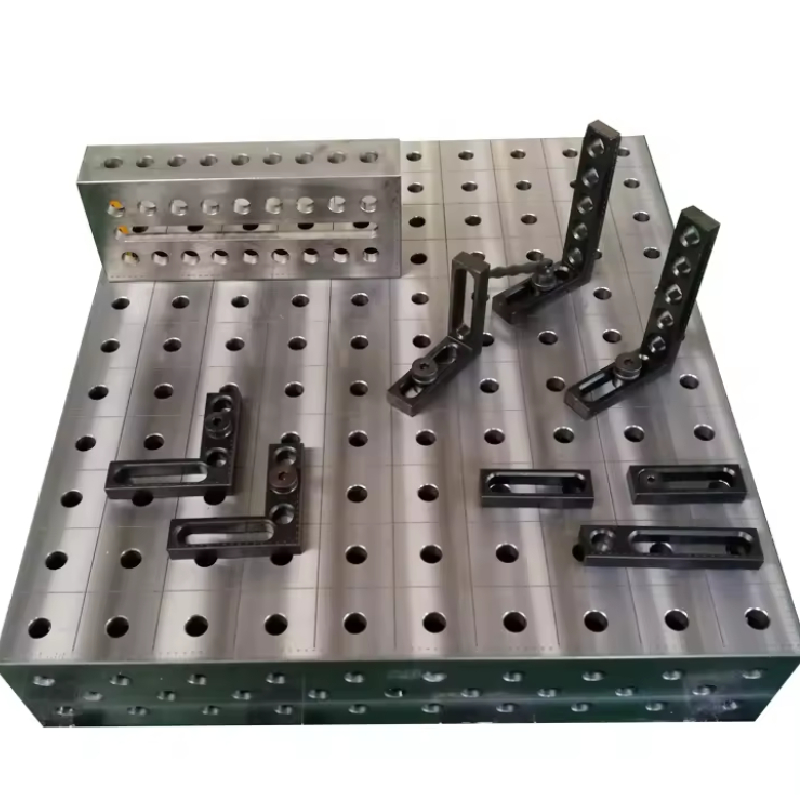
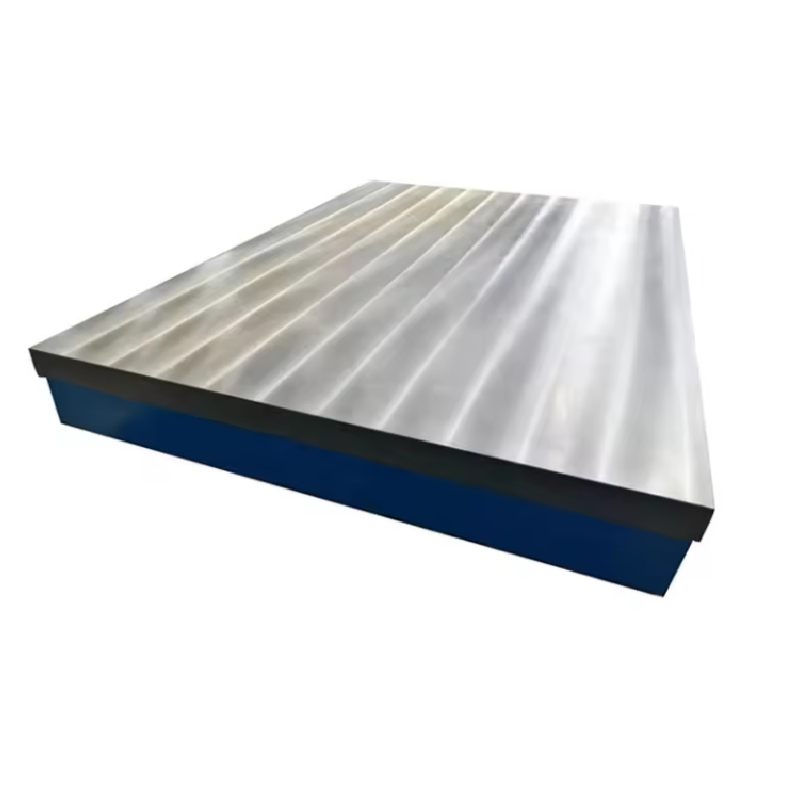
welding workbench
The Welding Workbench Essential Equipment for Metal Fabrication Welding is a fundamental process in

Wood frame joinery solutions for seamless construction and structural support connections
Wood frame connectors are essential components in any wooden structure, providing stability and supp
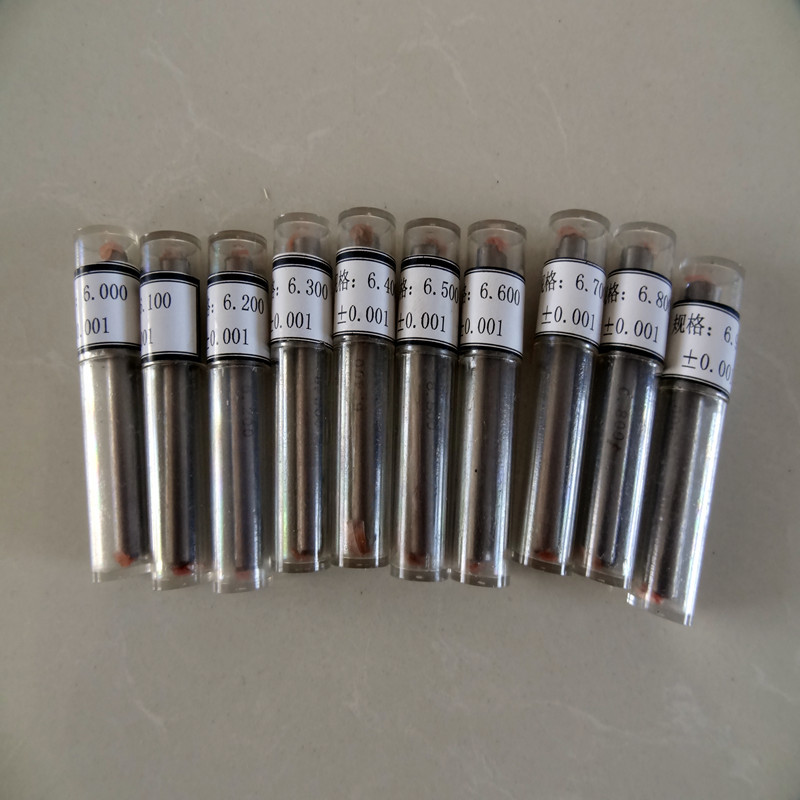
Various Types of Micrometers and Their Applications in Precision Measurement
Types of Micrometers A Comprehensive Guide Micrometers are precision measuring instruments commonly
 English